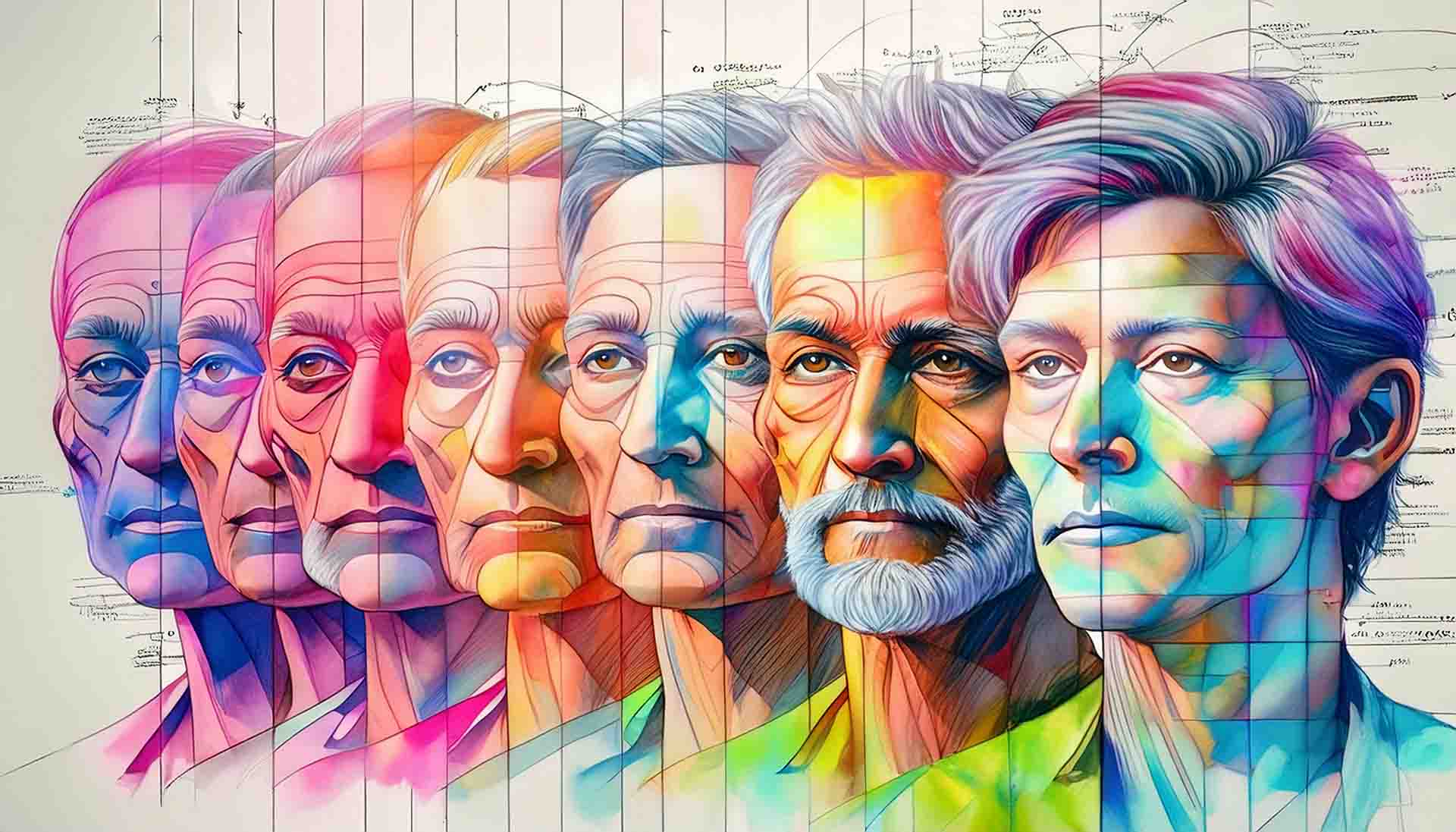
Genetic manipulation, in its simplest terms, refers to the deliberate alteration of an organism’s genetic code to achieve a specific outcome. This powerful technology has revolutionized fields such as medicine, agriculture, and biotechnology, offering unprecedented possibilities for improvement and innovation.
However, with the rapid advancement of Artificial Intelligence (AI), the landscape of genetic manipulation is evolving at an unprecedented pace. AI algorithms can now quickly and accurately analyze vast amounts of genetic data, identifying patterns and connections that were previously unimaginable. AI-driven tools are being used to optimize gene editing, predict genetic disorders, and even design new biological systems.
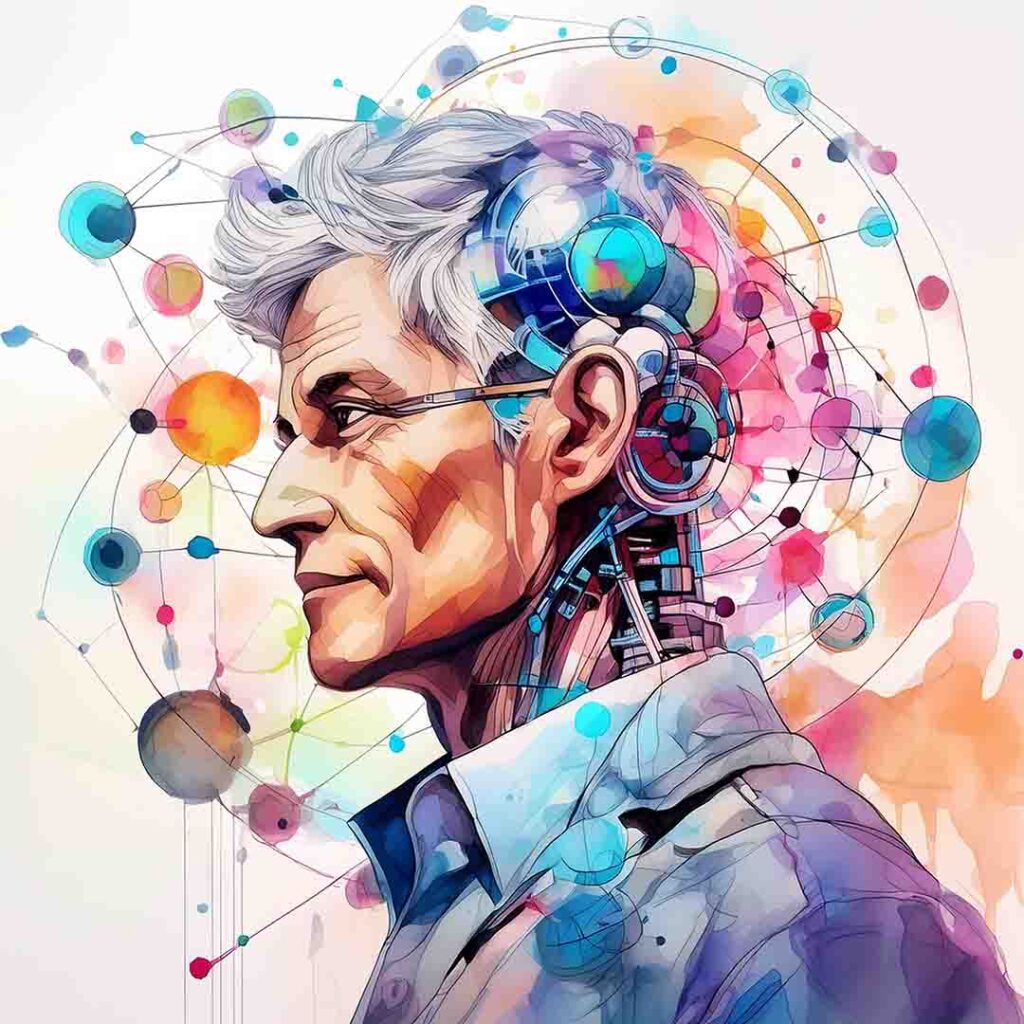
However, with the rapid advancement of Artificial Intelligence (AI), the landscape of genetic is evolving at an unprecedented pace. AI algorithms can now quickly and accurately analyze vast amounts of genetic data, identifying patterns and connections that were previously unimaginable. AI-driven tools are being used to optimize gene editing, predict genetic disorders, and even design new biological systems.
But as we push the boundaries of genetic manipulation and AI, we must also confront the ethical dilemmas that arise. Questions abound: What are the implications of creating “designer babies” or modifying human genes for enhancement purposes? How do we ensure responsible use of these technologies, and who gets to decide what constitutes “responsible”? Join us as we explore the intersection of genetic manipulation and AI, and grapple with the complex moral and philosophical implications of these groundbreaking advancements.
Genetic AI Ethics Exploration, Genetic AI Ethics Exploration, But as we push the boundaries of genetic manipulation and AI, we must also confront the ethical dilemmas that arise. Questions abound: What are the implications of creating “designer babies” or modifying human genes for enhancement purposes? How do we ensure responsible use of these technologies, and who gets to decide what constitutes “responsible”? Join us as we explore the intersection of genetic manipulation and AI, and grapple with the complex moral and philosophical implications of these groundbreaking advancements.